Cultural Tapestry of Farewell: Traditions, Community, and Honor in Indian Farewell Rites
Wiki Article
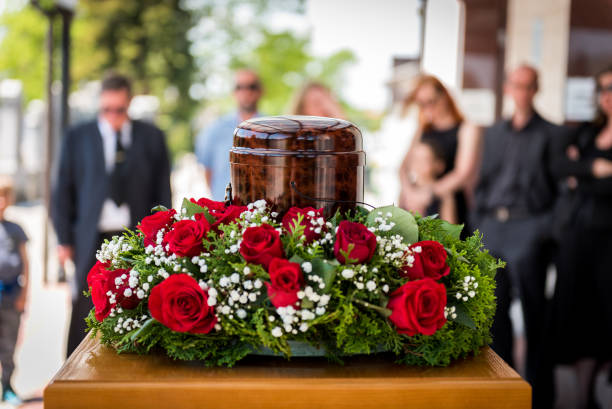
Throughout the rich cultural regions of India, traditions associated with honoring an individual's passing reflect a deep commitment to social solidarity. In every corner of the subcontinent, the rites dedicated to paying final respects demonstrate unmatched grace, historical roots, and mutual support. Rather than focusing merely on loss, these practices establish a lasting connection, fostering hospitality, deepening community ties, and upholding generational respect. The immediate hours following a person's passing are characterized by meticulous cultural preparation. Loved ones lovingly execute time-honored home traditions that have been refined over centuries. The individual is wrapped in pristine ceremonial textiles that reflect regional dress customs. In many traditions, classic white attire is selected, reflecting social balance, harmony, and pristine beauty. In other regional communities, festive cultural cloths are used to mark a life full of accomplishment and honor. Fresh blossoms and natural garlands form a central element throughout this artistic setup. Fresh garlands crafted from bright orange marigolds, sweet-scented jasmine, pristine lotus blossoms, and colorful roses are layered gracefully upon the resting platform. These floral decorations are far more than aesthetic adornments; they highlight the continuous beauty of life and family devotion. The delicate use of natural sandalwood, rosewater, and native herbs ensures an environment of supreme dignity, freshness, and cultural charm. A deeply moving and visually distinctive element in regional subcontinental customs is the organized neighborhood procession from the household to the local ceremonial grounds. Understood as a public gesture of unity, this communal journey transforms private grief into a shared community event. Neighbors, extended relatives, and acquaintances gather along the entry paths, wearing simple white traditional attire showing total unity, equality, and shared respect. The rested individual is borne on a handmade platform crafted from sturdy local bamboo, decorated with fresh foliage and bright flowers. While the gatherers walk along the neighborhood paths, neighbors exchange places to help carry the bamboo litter. Sharing this physical task stands as a powerful symbol of fellowship, proving that grief is met with shared strength. In many regions, the gentle chiming of bells and melodic flutes enhances the journey, offering a graceful auditory backdrop that honors the individual's legacy within the public sphere. India's immense cultural diversity manifests clearly in the varied funeral customs observed across different geographical regions and ethnic groups. Although the foundational principles of hospitality and honor are shared everywhere, the outward ceremonial forms adapt uniquely from north to south, and east to west. After the main day of farewell, Indian cultural heritage dictates a structured period of home-based remembrance, observed over nearly two weeks. During this timeframe, the household remains open as a hospitality space for neighbors, extended family lines, and well-wishers who travel from afar to offer condolences and pay their respects. Hospitality during this period is a vital cultural requirement. Freshly cooked vegetarian meals are made each day so every guest is comfortably welcomed and nourished. Sharing food in this manner encourages warm fellowship, provides an opportunity to recount cherished personal stories, allowing the neighborhood to take care of all domestic chores for the family. The closing of the formal hosting phase features a generous community gathering. Senior relatives recount the person's life history, good deeds, and values, ensuring that their oral history is transmitted to younger generations. Selfless acts of service—such as donating clothing to community members, distributing food to those in need, or supporting local educational initiatives—are traditionally performed in honor of the departed, building a lasting legacy of kindness and civic care.
Kallahalli Crematorium Indian society approaches the honoring of the departed with warm hospitality and deep cultural devotion. From the vibrant rural villages to the bustling urban centers, the arrival of extended family and supportive neighbors underpins every step of the cultural farewell. These observances provide a structured cultural framework through which communities offer mutual support, demonstrate respect for elders, and celebrate the enduring influence of a person's life legacy.
The Aesthetics of Preparation and Family Devotion
The White Procession: Community Solidarity in Motion
Cultural Feature
Material Used
Cultural Significance
Attire
Simple White Cotton Garments
Reflects modest dignity and visual harmony.
Resting Platform
Natural Bamboo and Rattan
Demonstrates local craft and eco-friendly design.
Wreaths
Marigolds and Jasmine
Conveys family devotion and visual honor.
Natural Essences
Cooling Sandalwood and Rose Essence
Ensures sensory grace and natural care.
Subcontinental Diversity in Farewell Customs
Hindu Burial Ground Adityanagra Regardless of whether the final rites use natural earthen placement or traditional fire settings, the focus remains steadfastly on the cultural heritage of restoring balance with the surrounding natural world in a manner that honors the land and traditional environmental philosophy.
Communal Hospitality and Memorial Traditions
Final Reflections: Honor, Artistry, and Unity
Sumanahalli Crematorium These subcontinental customs demonstrate a beautiful example of deep-seated hospitality, cultural elegance, and mutual care. By transforming a moment of farewell into a dignified celebration of cultural heritage, these practices highlight the power of family bonds and social networks. By combining fragrant floral arts, dignified processions, local customs, and charitable giving, this heritage celebrates the completed life of every member while fortifying the enduring bonds of the community for generations to come.